
Why Deeper Well Drilling Protects Your Property's Long-Term Water Security
Water security is increasingly a pressing issue for residential properties worldwide. With growing populations and changing climate conditions, ensuring a long-term and reliable water supply has become paramount. Deeper well drilling presents itself as a strategic solution to mitigate the uncertainties linked to water availability. By accessing water at greater depths, property owners can tap into more sustainable sources, insulating themselves from surface-level disruptions. This technique not only provides immediate benefits but also secures long-term water security for future generations.
Understanding Groundwater Basics
The Importance of Groundwater
Groundwater plays a crucial role in the overall water supply system, often serving as a primary source for both residential and agricultural use. According to the National Ground Water Association, 95% of all available freshwater around the world lies completely underground. The reliance on groundwater is not just for remote areas but also for urban centers, which draw significant portions of their water supply from this source. As the pressures on surface water increase due to pollution and overuse, groundwater becomes even more critical for sustainable development. Ensuring the protection and sustainable use of this vital resource is essential for maintaining a balance between human needs and environmental health.
Aquifer Layers and Water Table
Aquifers are underground layers of water-bearing rocks or sediment that hold water. These layers are separated by impermeable rocks, which create distinct groundwater levels or water tables. The water table fluctuates with rainfall and seasonal changes, which can affect water availability for shallow wells. By drilling deeper, wells can access lower aquifer layers, which tend to be more stable and less affected by short-term environmental changes. Understanding the structure of these aquifers is fundamental in determining the best approach to drilling and securing water resources.
Shallow vs. Deep Wells
Shallow wells are generally easier and less costly to install but come with several limitations. They are more susceptible to contamination from surface pollutants and can experience drastic water level changes during droughts. Deep wells, on the other hand, reach further into the ground, offering more consistent water levels and better protection from surface contaminants. The design of deep wells allows them to tap into more stable aquifer layers, providing a more reliable water supply. Moreover, advancements in drilling technology have made deeper wells a more feasible option for a wider range of property owners.
Groundwater Recharge Rates
Groundwater recharge occurs when water from precipitation and surface water infiltrates into the groundwater system. Factors such as soil permeability, vegetation cover, and land topography influence recharge rates. Areas with high recharge rates can support a more robust groundwater supply, while arid regions may struggle with replenishing aquifers. Deep wells can be advantageous in areas with lower recharge rates, as they access water from deeper aquifers not as dependent on immediate recharge. Understanding and managing recharge rates are critical for sustainable groundwater management.
Local Groundwater Regulations
Numerous local and regional regulations govern the use and management of groundwater resources. These regulations are designed to protect aquifers from over-extraction and ensure long-term sustainability. Permits are often required for drilling, and these may specify limitations on well depth and usage to prevent adverse impacts on the water table. Compliance with local regulations is not only a legal requirement but also a responsible practice for protecting shared water resources. Informing property owners about these regulations helps promote sustainable groundwater usage.
Benefits of Deep Well Drilling
Enhanced Water Quality
Deeper wells often provide access to water that is naturally filtered through geological layers, resulting in higher quality. These natural filtration processes reduce contaminants like bacteria, chemicals, and sediments. As a result, the water drawn from deep aquifers is typically cleaner and safer for consumption. This enhanced water quality is especially crucial in areas where surface and shallow groundwater sources are heavily polluted. Investing in deep well drilling ensures you receive the cleanest water possible for drinking and household use.
Increased Longevity of Water Supply
By accessing deeper aquifers, properties ensure a more steady water supply, even during prolonged periods of drought or dry spells. Shallow wells are more likely to run dry when the water table falls, but deep wells can draw water from more consistent levels. This increased longevity is critical for regions facing irregular precipitation patterns and climate change impacts. With deep wells, property owners can enjoy peace of mind knowing their water supply is more secure in the long term. Consequently, deeper wells are a sound investment for maintaining uninterrupted water access.
Protection from Surface Contaminants
Deep wells offer a layer of protection against pollutants that readily affect surface water and shallow groundwater. Activities such as agriculture, industry, and urban development introduce potential contaminants to surface sources. By drilling deeper, wells can bypass these pollutants and access water from uncontaminated aquifers. This mitigates health risks associated with consuming polluted water and reduces the need for extensive water purification measures. The protective nature of deep wells is one of their most significant advantages.
Reduced Water Hardness
Water hardness is determined by the concentration of calcium and magnesium in the water. Deep aquifers often contain lower levels of these minerals due to natural filtration processes, resulting in softer water. Reduced water hardness has several benefits, such as lessening scaling in pipes and appliances, improving soap efficiency, and providing better-tasting water. By drilling deeper, homeowners can enjoy these advantages with minimal water treatment. Soft water also extends the lifespan of plumbing systems, leading to further cost savings.
Consistency in Water Pressure
Deep wells contribute to more stable and consistent water pressure, essential for both residential and agricultural uses. Fluctuations in water levels and pressure are common challenges with shallow wells that deep wells can overcome. Maintaining consistent water pressure ensures efficient operation of home fixtures, irrigation systems, and industrial processes. This is particularly important for those who rely on steady water output for crop irrigation and livestock operations. Investing in deep wells is thus both a practical and strategic decision for ensuring reliable water delivery.
Technical Considerations for Deep Well Drilling
Site Assessment
A thorough site assessment is paramount before undertaking deep well drilling. The assessment considers geological surveys to understand rock formations and aquifer locations. Factors such as proximity to contamination sources and suitable access for drilling equipment are evaluated. Proper site evaluation ensures the well is situated optimally for both water access and environmental safety. This preparation stage is crucial for a successful and sustainable drilling project.
Drilling Techniques and Equipment
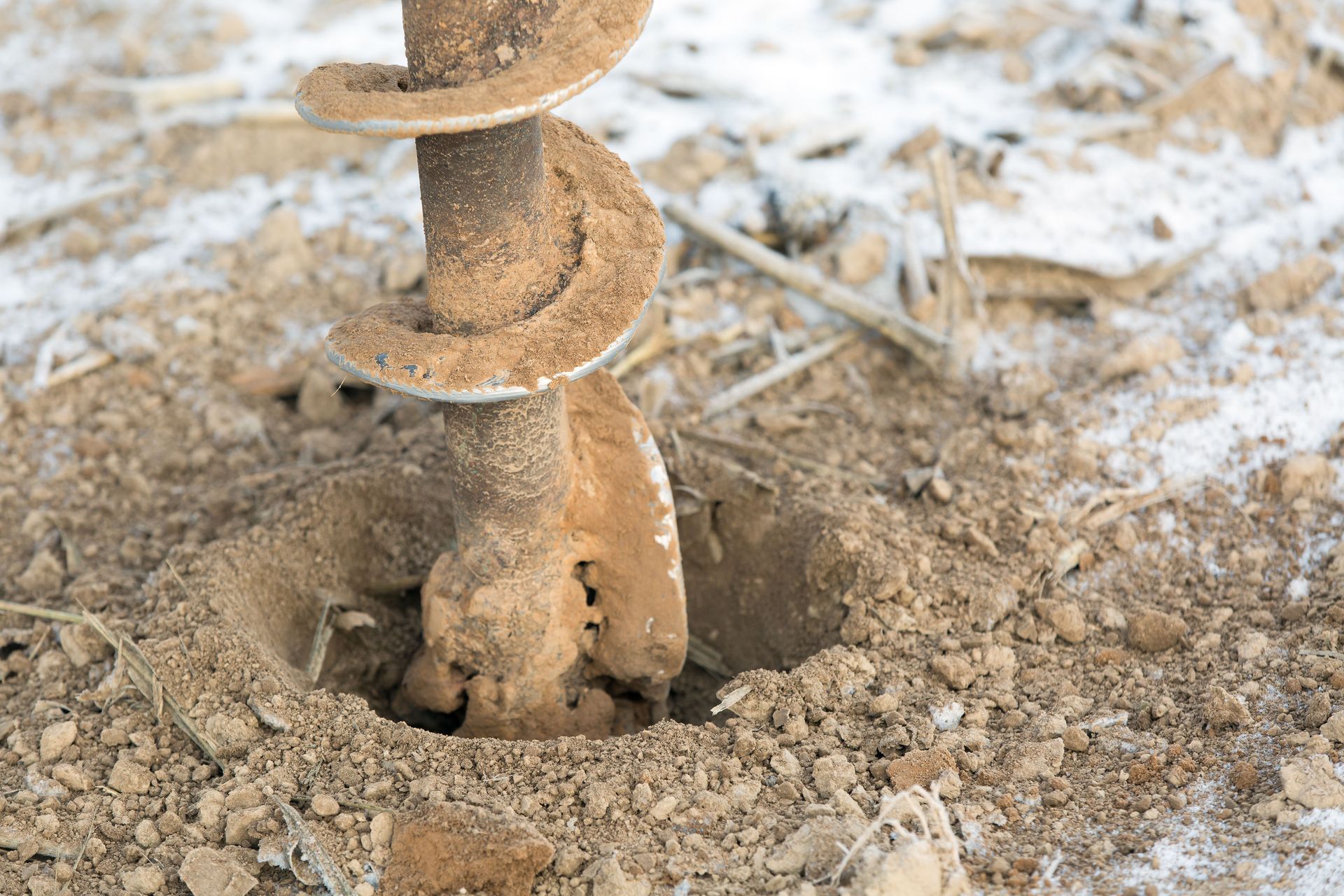
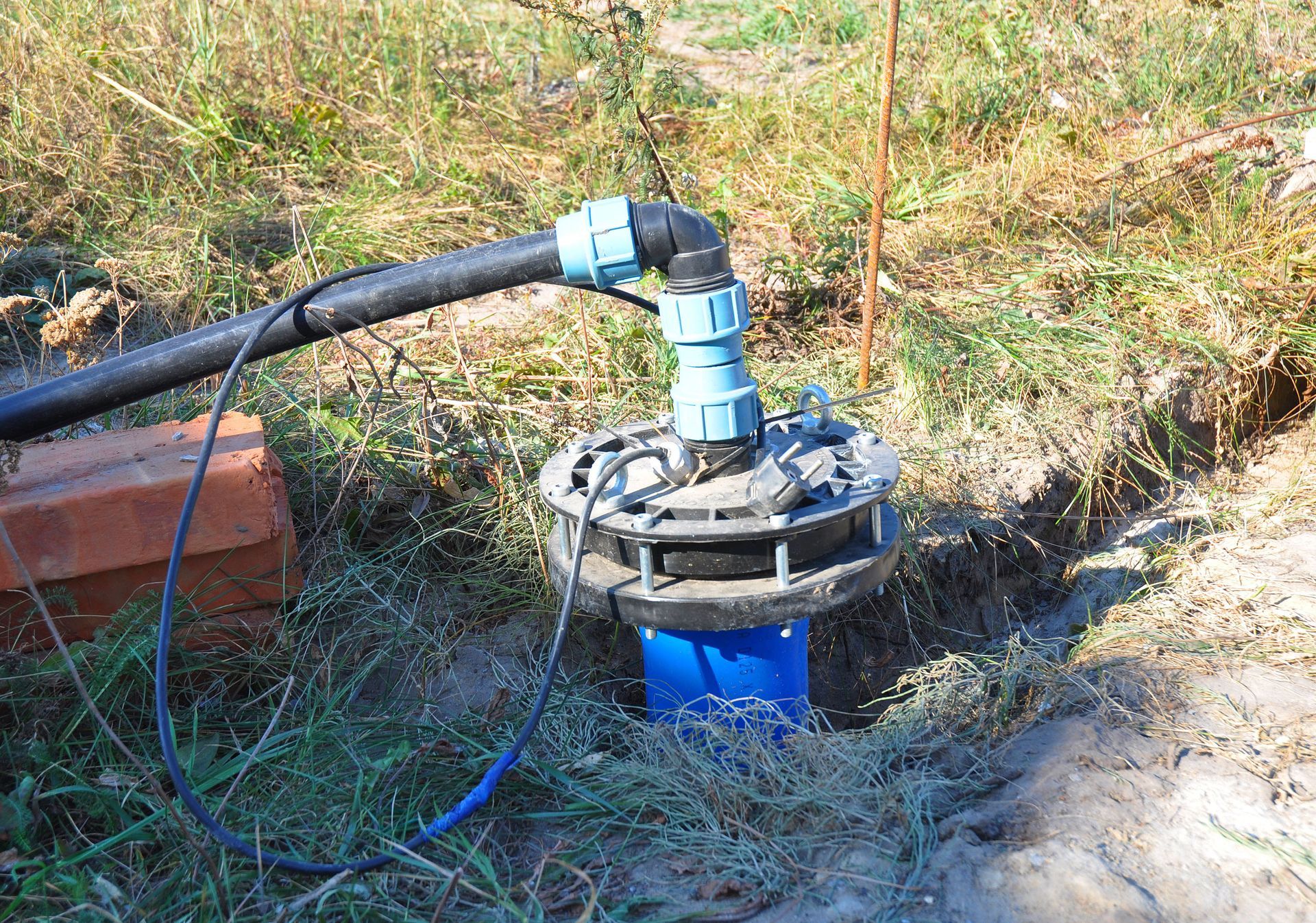
The advancements in drilling technology have made accessing deeper aquifers more feasible and efficient. Rotary and hammer drilling are common methods used today, each with its specific advantages depending on soil and rock conditions. Specialized equipment is required to drill deeper, maintain structural integrity, and prevent contamination during the process. Skilled operators and proper machinery ensure the drilling process is conducted safely and effectively. These technological advancements have expanded the scope and success rate of deep well projects.
The significance of deeper well drilling lies in its capacity to safeguard property water security against current and future uncertainties. By understanding groundwater basics, property owners can make informed decisions that protect their investments. Deeper wells offer numerous benefits, from improved water quality to economic resilience, that make them an attractive option. Emphasizing sustainability in drilling practices further ensures environmental integrity and resource conservation. Investing in deep well technology is not only a strategic move for individual properties but also vital for broader community water security. Be sure to reach out to Mike's Drilling, LLC for more information on our professional well drilling!



Share On: