
Getting a New Well Pump? Here's What You Should Know
Installing a new well pump can be a significant investment for homeowners who rely on well water. Understanding the different types of pumps, the installation process, maintenance requirements, and other crucial factors can help you make an informed decision. This guide will provide comprehensive insights into everything you need to know before getting a new well pump, whether you are replacing an outdated system or setting up a brand-new well from scratch. Proper planning ensures that your home will maintain a continuous, reliable, and pressurized water supply for many years to come.
Understand Submersible Well Pumps
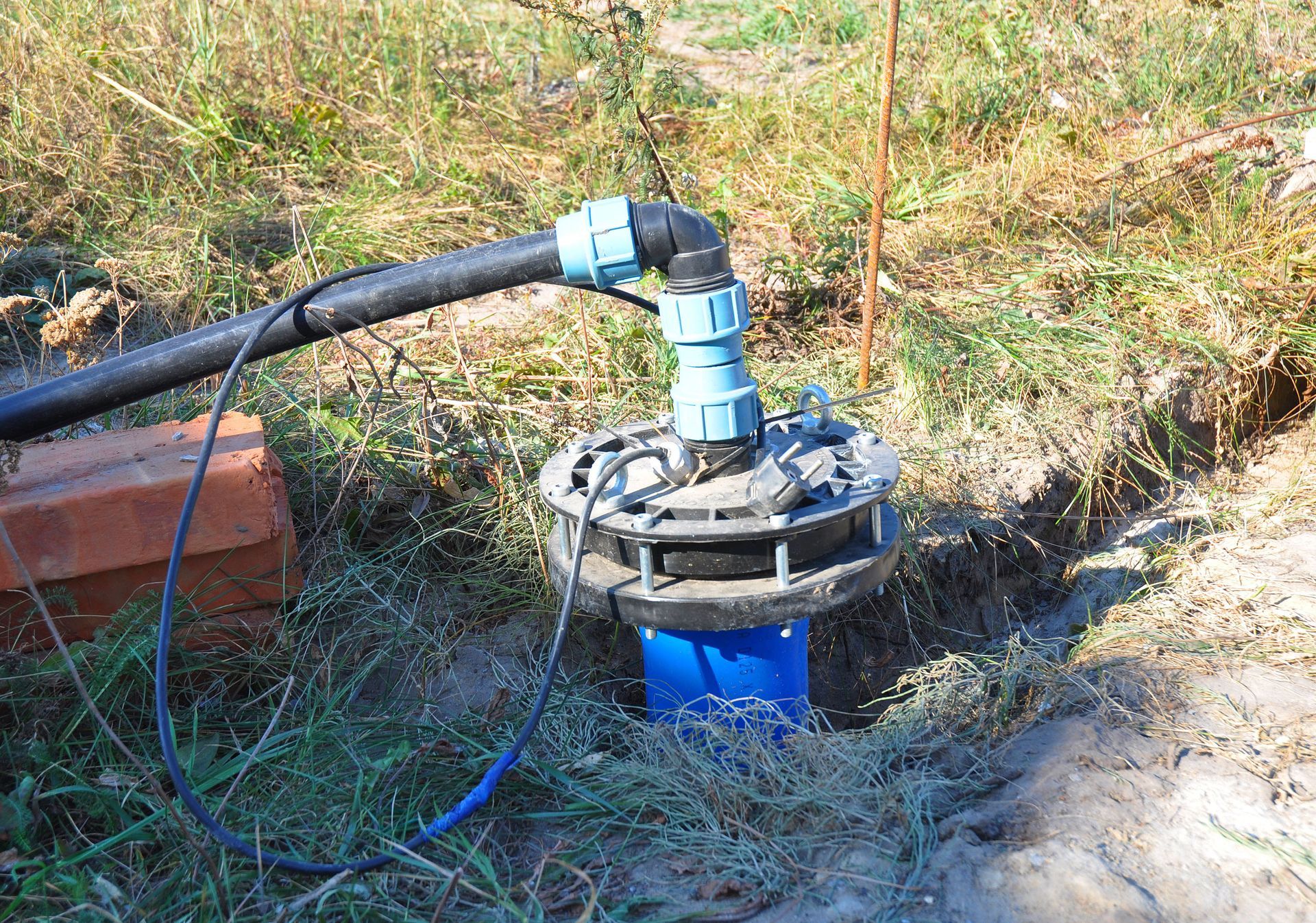
Submersible water well pumps are engineered to operate completely underwater, making them an ideal choice for deep wells throughout the country. These systems are highly efficient because they push water directly to the surface rather than pulling it up from above, which substantially reduces overall energy usage and mechanical wear. A significant advantage of submersible units is their extremely quiet operation since the sound is effectively muffled by the surrounding water column. They are particularly suitable for residential wells that extend more than 25 feet deep, ensuring reliable water delivery to your household fixtures day in and day out. Consequently, submersible options remain a top recommendation for homeowners demanding high performance and long-term durability.
Aside from their superior operating efficiency, these submerged units are widely recognized for their overall durability and resilience. They feature fewer moving parts exposed to atmospheric elements, which helps minimize routine maintenance needs while extending the operational lifespan of the motor. However, the installation process can be complex and typically requires specialized professional skills due to the challenging underwater environment. Their natural resilience in harsh conditions makes them a popular choice for regions with fluctuating water tables. Ultimately, the higher initial purchasing cost of these units is offset by lower operational and energy expenses over many years of service.
Despite their clear operational advantages, submersible options do possess a few inherent limitations, such as the complexity involved in performing mechanical repairs. Accessing the internal components for routine maintenance or sudden repairs requires pulling the entire assembly out of the ground, which can quickly become labor-intensive and costly. Additionally, property owners must ensure that all electrical wiring and connections are adequately sealed against water ingress to prevent shorts. As modern technology continues to advance, modern submersible units are being built with enhanced materials that improve longevity and functionality. These continuous structural innovations make submersible units increasingly appealing to modern homeowners looking for a long-term water solution.
Explore Jet Well Pumps
Jet water well pumps operate efficiently in applications where the water table is either shallow or only moderately deep. These systems function by utilizing a high-speed internal impeller to generate a powerful vacuum that draws water up to the surface. The two primary configurations available are shallow well jet models designed for depths up to 25 feet, and deep well jet models tailored for depths ranging between 25 and 60 feet. Because these units are typically installed above ground in a well house or basement, they remain easily accessible for routine inspections, surface maintenance, and mechanical repairs.
The primary advantage of choosing jet water well pumps lies in their operational versatility and straightforward adaptability. These units can effectively manage fluctuating water levels by adjusting the jet ejector assembly, providing a flexible solution for property owners facing changing seasonal conditions. Furthermore, the initial purchase price and upfront installation costs are generally much lower compared to fully submerged alternatives. However, they may consume slightly more electricity over time because the mechanics rely entirely on suction forces rather than direct pushing power. According to the National Well Pump Repair Authority, standard residential electric pump motors are built to handle up to 300 cycles per hour at most, making precise system selection vital to avoid overworking the motor.
Some homeowners may notice operational noise originating from the exposed surface motor while the system runs, which is an important placement factor to consider during installation. Furthermore, while surface accessibility makes maintenance easier, system operators must remain vigilant about preventing air leaks within the suction pipe, which can severely degrade pumping efficiency. Ongoing technological advancements continue to improve the motor efficiency and quietness of these traditional systems, preserving their status as a cost-effective option for budget-conscious buyers. Ultimately, determining whether a jet model is right for your property will depend on your specific well depth, power preferences, and daily household water usage.
Consider Convertible Well Pumps
Convertible water well pumps offer outstanding operational versatility for properties with varying water depths, allowing users to alter system configurations with relative ease. These adaptive systems can function seamlessly in both shallow and deep environments thanks to their convertible jet assembly. By simply adjusting the physical location of the ejector nozzle, the exact same pump can cater to dynamic water extraction requirements over time. This unique flexibility makes convertible systems an exceptionally attractive investment when future changes to the local water table or well depth are anticipated.
A major benefit of investing in convertible water well pumps is their inherent long-term cost-effectiveness. Homeowners can utilize a single versatile unit across changing well conditions, eliminating the need to buy an entirely new system if the well needs to be deepened later. Additionally, the convertible design allows property owners to manage seasonal water table drops without experiencing a total loss of surface pressure. Despite these operational advantages, convertible units may consume slightly higher amounts of electricity due to their reliance on atmospheric pressure and suction mechanisms. Nonetheless, they remain a dependable, highly adaptable water solution for properties facing unpredictable water levels.
Evaluate Solar Powered Well Pumps
Solar-powered water well pumps represent an eco-friendly option that harnesses clean, renewable energy directly from the sun to supply your home. These innovative systems are ideal for remote off-grid locations where traditional grid power is unavailable or prohibitively expensive to run. Solar photovoltaic panels convert sunlight into usable electricity, powering the pump motor without relying on fossil fuels or standard utility lines. Despite their clear environmental advantages, deciding to install a solar-powered system requires careful evaluation of both your daily water needs and local weather patterns.
Solar-driven options generally require a higher initial financial outlay compared to standard grid-connected electric systems. However, they offer remarkable long-term savings by completely eliminating ongoing electricity costs for water production. Because system performance relies on sunlight, users usually need battery banks or gravity-fed storage tanks to maintain water access during cloudy weather or at night. Ongoing technological improvements continue to boost the energy conversion efficiency and durability of solar components, making them increasingly practical for residential applications.
Review Manual Hand Well Pumps
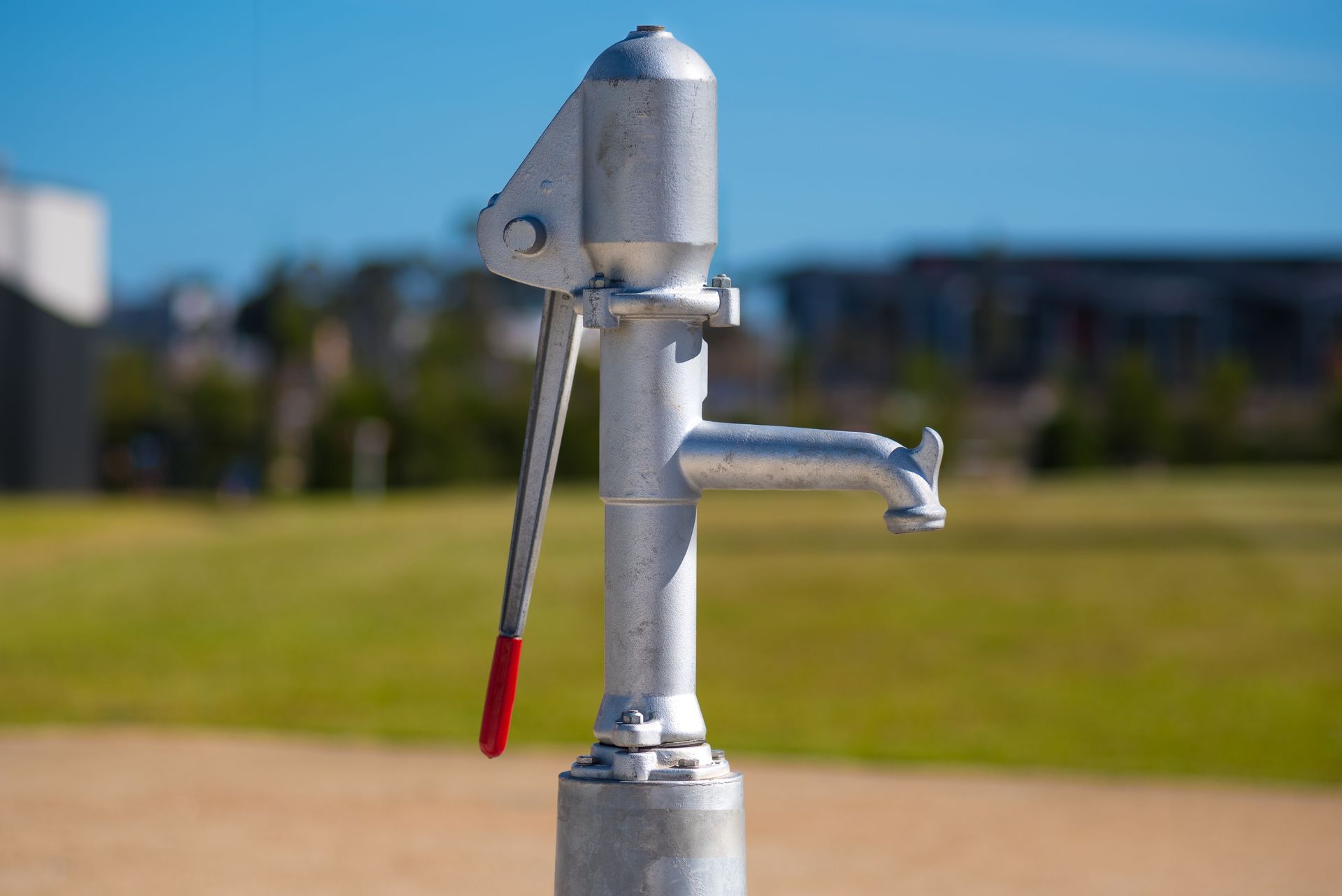
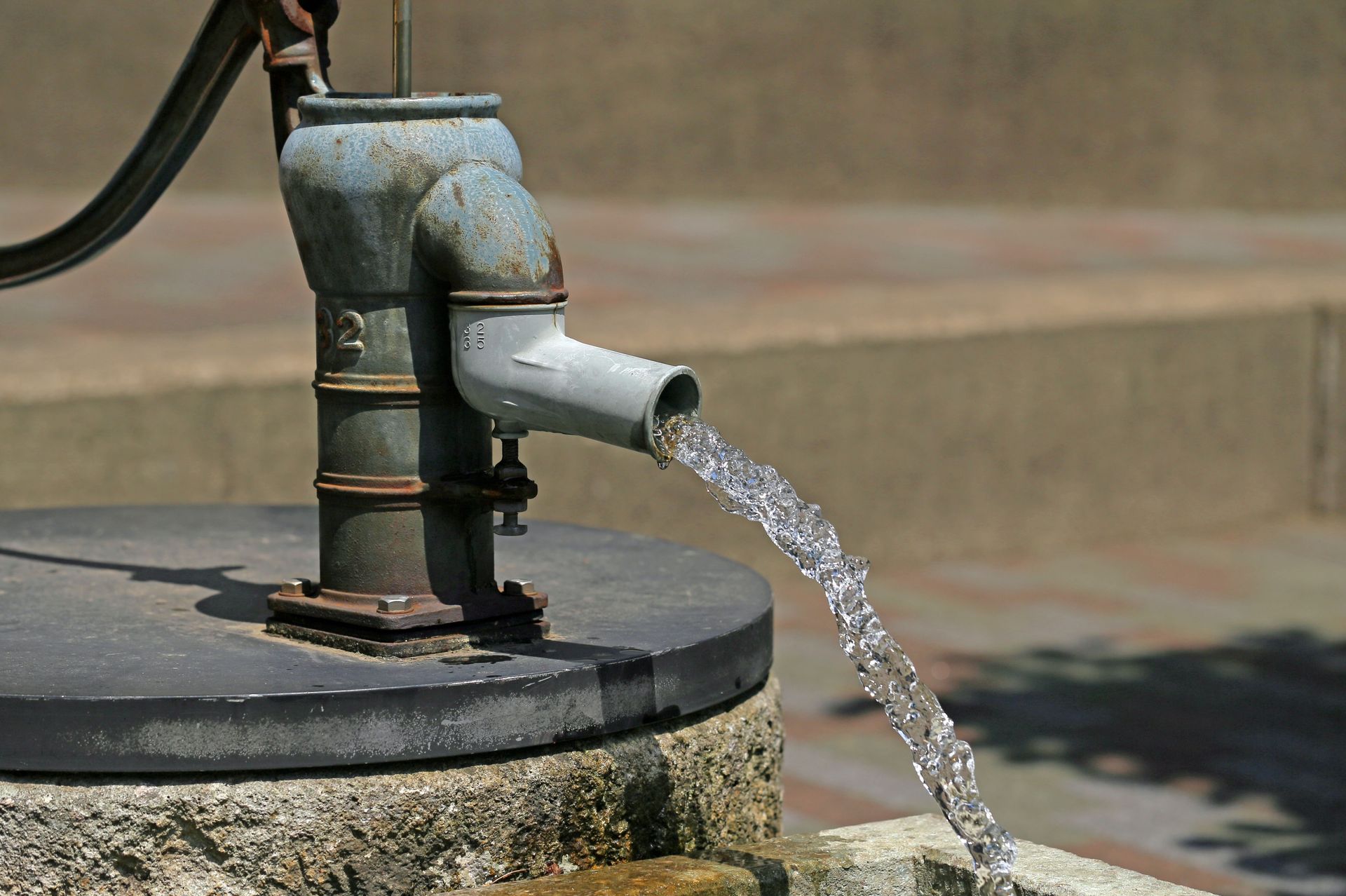
Manual hand water well pumps operate entirely through physical human effort to draw water from the ground without electrical power. These mechanical systems are most commonly installed as emergency backup units during grid outages or on off-grid properties where electrical infrastructure is missing. Because they feature a straightforward mechanical design, hand units are exceptionally durable and provide a dependable water source during severe weather emergencies. Due to the physical effort required to operate them, manual options are best suited for shallow applications or low-volume water needs.
The true value of manual water well pumps lies in their simple mechanics and minimal maintenance demands over decades of use. They lack delicate electrical components that can burn out during power surges, ensuring unmatched long-term reliability. While pumping water manually requires physical labor, having guaranteed access to fresh drinking water during prolonged power outages far outweighs the short-term exertion. Deciding to install a manual unit largely depends on your physical capability and backup emergency planning requirements.
Prioritizing proper system selection, professional installation, and ongoing maintenance ensures that your home will enjoy an uninterrupted supply of clean water for decades. Taking time to assess your well's specifications, depth, and peak volume demands allows you to select the ideal system for your lifestyle. When you are ready to upgrade your residential water system or require expert assistance, trust the experienced team at Mike's Drilling, LLC to deliver reliable, high-quality well services tailored to your property.




Share On: