Permits, Planning, and Property Lines: Preparing for Your New Well
The process of drilling a new well involves a comprehensive understanding of permits, meticulous planning, and awareness of property boundaries. As water scarcity concerns grow, investments in water well drilling have become critical for both residential and agricultural needs. By comprehending the legal, logistical, and environmental considerations involved in well construction, property owners can make informed decisions. This guidance ensures not only a successful installation but also compliance with all necessary regulatory frameworks.
The Importance of Permits
Permits are essential for drilling wells because water is a shared resource subject to legal oversight. They ensure that wells are drilled responsibly without negatively impacting the environment or neighboring properties. The legal requirements for permits vary by jurisdiction, but generally, they are designed to protect water resources and maintain ecological balance.
Obtaining a permit also confirms that the proposed drilling complies with local codes, zoning laws, and environmental regulations. Ultimately, securing these approvals before initiating any water well drilling protects the local ecosystem. Failure to obtain necessary permits can lead to fines, legal action, or even the dismantling of an unauthorized well.
There are several types of permits needed based on the well's purpose and location:
- Drilling permits: Specify where and how deep the well can be, ensuring it does not interfere with existing water tables or properties.
- Water withdrawal permits: Regulate the volume of water extracted to prevent depletion of local water resources.
- Environmental impact assessments: Required in sensitive zones to protect regional biodiversity.
The application process for each permit involves several steps, often including documentation, fees, and environmental assessments. Applicants must submit detailed plans about the proposed well, including geological surveys and usage estimates. Environmental impact statements may also be necessary to demonstrate that the well will not harm local ecosystems. Familiarizing oneself with the timeline and requirements can expedite the application process and prevent unnecessary delays. It's advisable to start the application process early to accommodate any unexpected challenges or delays.
The Location of Your Well
Planning the location of a well begins with accurately assessing your water needs. Identifying whether the water is primarily for residential, agricultural, or industrial use will influence the specifications of the well. An accurate assessment determines the optimal flow rate and volume required to meet ongoing demand. Oversizing or undersizing the well can lead to inefficiencies in water usage and increased costs. Ideally, this assessment should involve consultation with water management professionals to ensure accuracy before commencing the water well drilling phase.
Choosing the optimal site for a well involves considering factors like soil composition, accessibility, and proximity to contamination sources. The location should be set away from septic systems, livestock areas, and chemical storage to prevent pollution. Geological surveys and tests can provide insight into soil and rock layers that will impact drilling conditions. Proximity to electrical lines and easy access for machinery are also crucial factors in planning. These considerations ensure not only a successful well but also compliance with safety and environmental regulations.
Geological surveys and analysis play a pivotal role in well placement to predict the presence of aquifers and water-bearing layers. Conducting these surveys helps identify the most productive zones to drill and ensures that the water source will be sufficient and sustainable. The surveys are conducted by geologists who use specialized equipment to map underground conditions. These assessments minimize the risk of hitting a dry well and aid in planning the depth and construction specifics. Employing these surveys can significantly increase the chances of a successful water well drilling operation and ensure long-term productivity.
Property Lines and Land Restrictions
Understanding property boundaries is critical in the process of well planning to avoid legal disputes. Property lines can be determined using land surveys, which should be up-to-date and verified by a licensed surveyor. It's important to respect these boundaries to avoid encroachment and potential litigation with neighbors.
Prior to drilling, review any existing covenants, conditions, and restrictions (CC&Rs) that might impact well placement. Taking time to map out these boundaries ensures that your water well drilling project complies with all local property rights. Proper verification ensures compliance and avoids complications or disputes after the well is drilled.
Dealing with easements and rights of way may also be necessary since they can affect the location and accessibility of a well. Easements grant legal permission to use another person's land for a specific purpose, which might include access to a water source. It's essential to review any easements recorded on the property to understand any land use restrictions. Working closely with a land-use attorney can provide clarity on how these legal structures will impact your well plans. Recognizing and respecting these legalities can prevent future issues and disputes with neighboring properties.
Zoning laws and regulations are critical local components that may influence the specific placements and specifications of wells. These laws can dictate how close a well can be to property lines, roads, or existing structures. Compliance with zoning laws is non-negotiable, as violations can result in halted projects or legal action. Consulting with local planning agencies or boards ensures that your plans align with the community's development guidelines. Knowledge of these regulations aids in expediting the permitting process and minimizing roadblocks.
The Well Drilling Process
Selecting a reliable and experienced drilling contractor is crucial to a successful well installation. When evaluating contractors, consider their experience, equipment, and customer reviews to gauge their reliability. Contractors should be fully insured and capable of managing the complexities of your specific project.
With approximately 7,896 services specialized in water well drilling in operation as of 2025, according to IBISWorld, finding a reputable service can minimize potential project delays and issues. A well-chosen contractor can facilitate permits, provide crucial insights, and ensure safety standards are met throughout the drilling process.
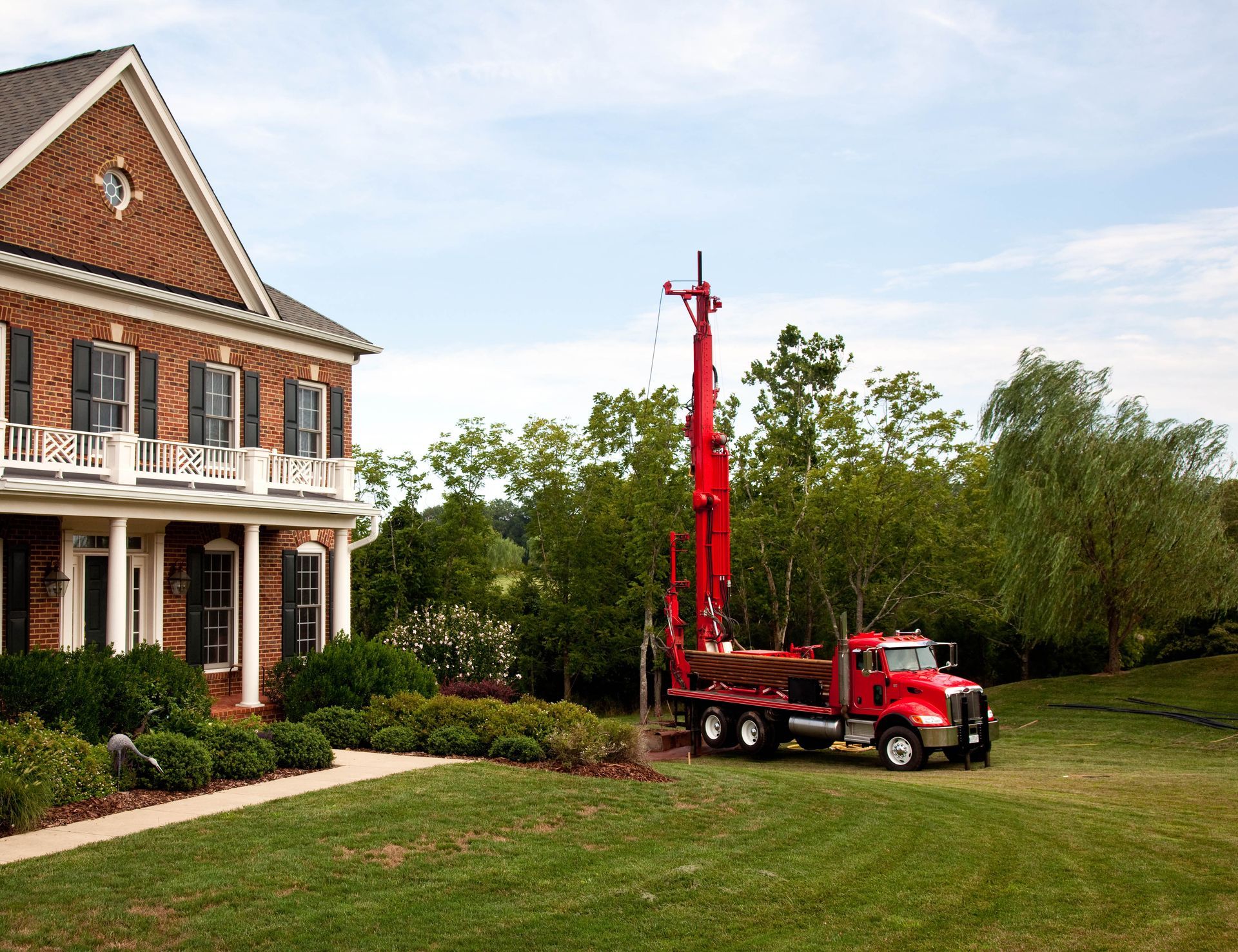
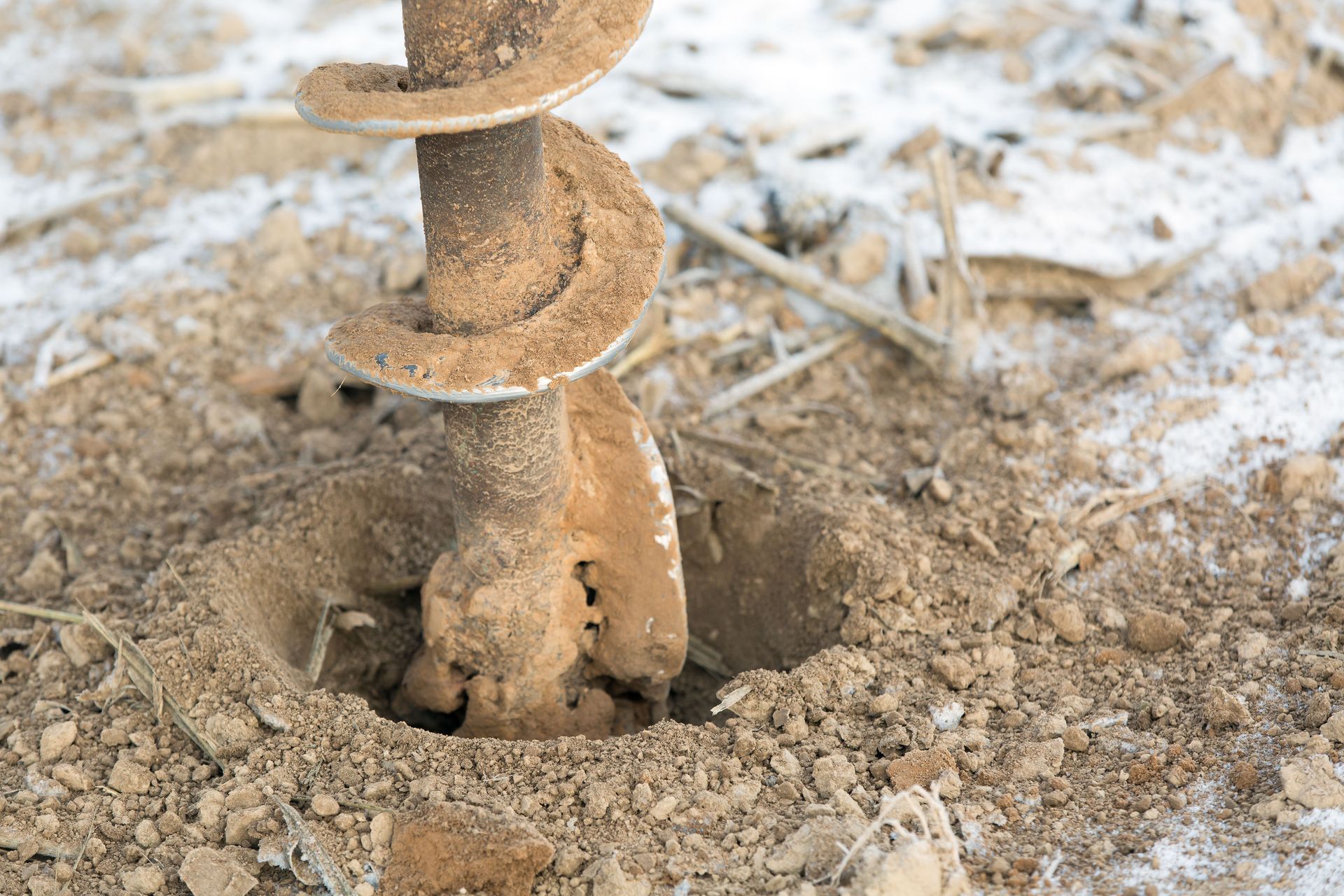
The stages of well construction typically include site preparation, drilling, casing installation, and the development of the well. Initially, the site is cleared of vegetation and leveled to ensure the safe operation of drilling machinery. Drilling is conducted in stages, deepening gradually to reach the water table without damaging geological formations.
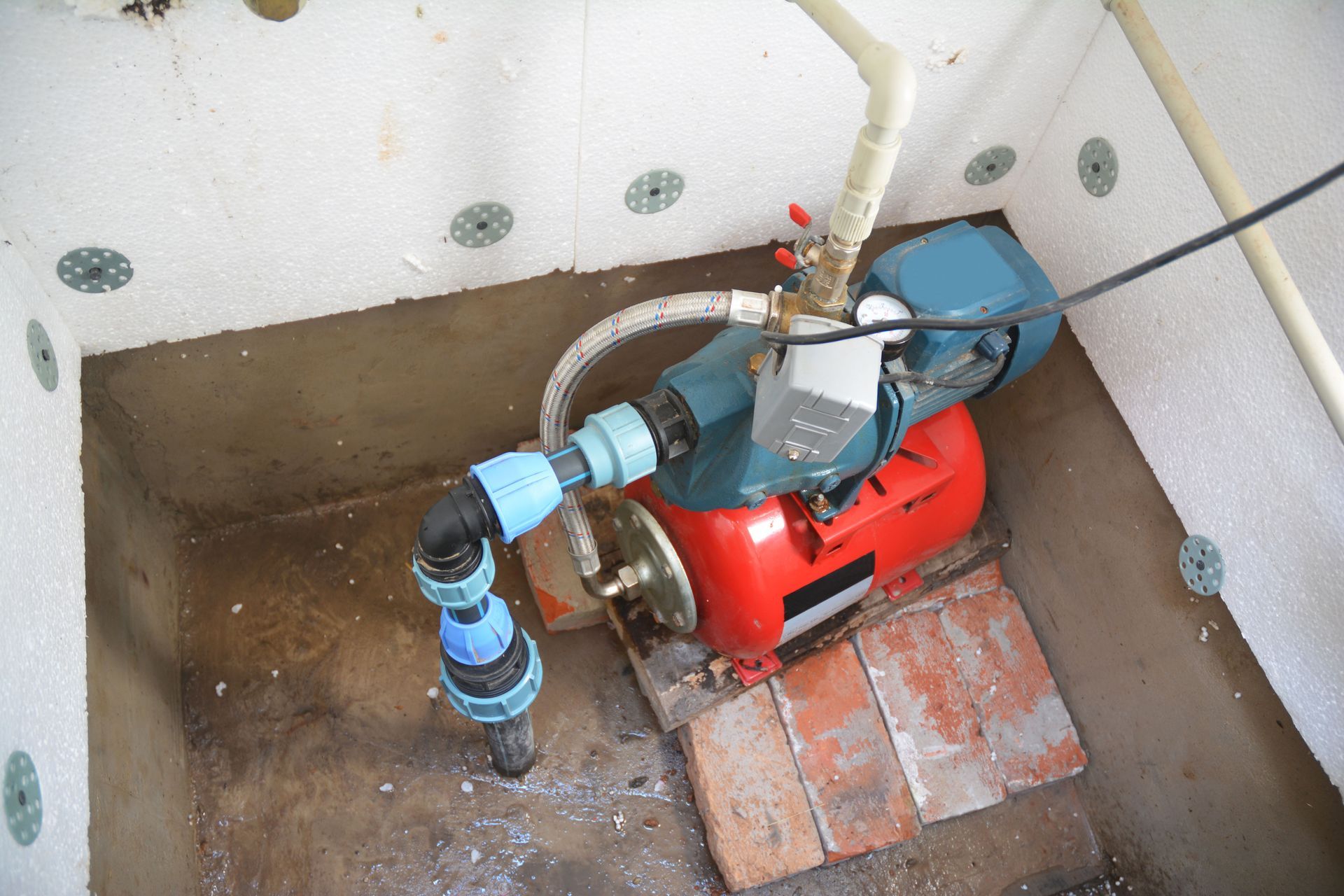
This careful execution during water well drilling is what prevents structural collapses and borehole contamination. Casing and a well cap are then installed to prevent contamination from surface water. The final stage involves cleaning the well to remove debris and ensuring it is ready for use, guaranteeing sustained and efficient operation.
Legal and Financial Considerations
Legal obligations of well owners begin post-installation and involve maintaining records of water quantity and quality. Many jurisdictions require regular submission of water usage reports to monitor the community's resource allocation. Aquifer level monitoring ensures that extraction rates remain sustainable and within legal parameters. Compliance with these obligations prevents legal penalties and contributes to community resource management. It is advisable to consult a legal expert familiar with water rights and obligations in your area.
Financing and budgeting for a well involve a careful assessment of initial costs, ongoing expenses, and potential financial assistance. Costs include drilling, installation, permits, and possibly water treatment systems. Long-term budgeting should account for maintenance, inspection, and potential repairs to mitigate unexpected expenses. Home equity loans or specialized financing plans may assist in spreading the cost over time. Exploring government incentives or grants could also provide financial relief depending on regional availability and criteria.
Drilling a new well is a substantial commitment that requires careful planning, legal compliance, and ongoing management. Securing the necessary permits, assessing the best location, and understanding property lines can reduce unforeseen complications. Partnering with knowledgeable professionals and leveraging modern tools and technologies guarantees a successful drilling outcome. By ensuring that your water well drilling project prioritizes ecological sustainability and responsible water use, you secure an essential resource vital to both personal and community health. With informed preparation and thoughtful maintenance, your well can meet your water needs for years to come. Contact Mike's Drilling, LLC today to get your new well drilled by experts.


Share On: